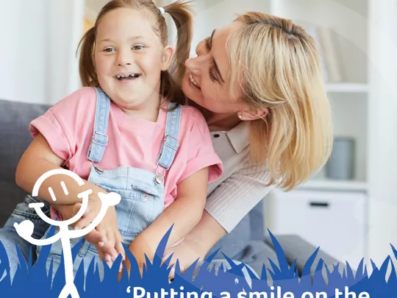
Fostering has been part of Chevaun’s life since she was just 10 years old, when her parents opened their home to her foster sister. When she reached adulthood, she was inspired to follow in her parents’ footsteps after seeing the impact fostering had on the children she lived with.
Now, she’s sharing her story to motivate others to start the fostering journey, too.

Reflecting on three decades of fostering
I turn 40 this year, and fostering has been part of my life, in one way or another, for the last 30 or so years.
I was maybe 10 when my parents brought up the idea of having an extra brother or sister join our family. I already had 2 sisters, one older and one younger, who, of course, ganged up on me at every opportunity, middle child vibes. So naturally, I REALLY wanted a little brother. But, given we were in a 3-bedroom semi with all-girl children, my dreams were never meant to be.
Fostering was a way of extending your family by looking after other people’s children who, for whatever reason, couldn’t look after their own children in that current moment. For us, it meant extra siblings, siblings who were actually allowed to share bedrooms with the birth children. *Gasp! It wouldn’t be allowed these days!

Gaining a sister and making room for more
Our first foster sister moved in with us when I was 12. . This person stayed with us until she turned 18, moved on to university, and now has a home and husband of her own. In fact, just last year, my sisters and I were bridesmaids at their wedding.
Our home was pretty “samey” in terms of fostering for many years. It was just our new sister and us. As we all started getting bigger, our parents extended their house. Adding multiple downstairs spaces, upstairs bedrooms and a loft conversion.
When social services saw this building work, they also saw the potential for more children to have the loving and warm home life that my sisters and I had been afforded, simply through birthright or a well-matched and well-supported placement.
Experiencing different types of fostering
My timeline isn’t completely linear, but it was around this phase of life where more children started “moving in”. I guess this is when we started experiencing different types of fostering placement.
Suddenly, fostering wasn’t just about gaining a sister for life. Sometimes, sibling groups would move in for 2 or 3 weeks as a planned break, where other foster carers had taken their placement but couldn’t get access or permissions in time for passports. Sometimes, a mother and baby would move in for a period of support and assessment.
Often, my parents had a phone call on a Friday night from a social worker in need of an emergency placement, bringing children who had just been removed from their home and their parents by social services and police. They would often arrive in school uniform, with very little of their own.
As an adult living at home, whilst my parents were doing the introductions and the welcomes, I’d be out in the big Asda choosing underwear, PJs, slippers, dressing gowns, a cuddly toy and an outfit or two for the next few days. We had our system, and it worked.
From local authority to Fostering People
Around the time that I was at Uni, my parents transitioned from being carers for their local authority to choosing an independent fostering agency. They did their research and eventually decided to go with Fostering People.
During their first years with Fostering People, we noticed many differences in their way of working and their support system. How it directly affected me was that, given I was an adult and living at home, if my parents had previously wanted to attend a wedding or go away for a weekend, they could. The children’s social workers would approve me to temporarily look after the children to keep their lives as stable as possible.
Now, remember when I said fostering has changed over the years? Well, here is one of those changes. A change for the better and safer care of children. Fostering People decided that for me to safely and properly care for my parents’ looked-after children, they would prefer it if I had all the training, qualifications and approvals of a foster carer.
Honestly, this seemed A LOT at the time. I was still young and living at home; how could I possibly be approved? I thought on it a long while and I said yes.
Getting married and becoming respite carers
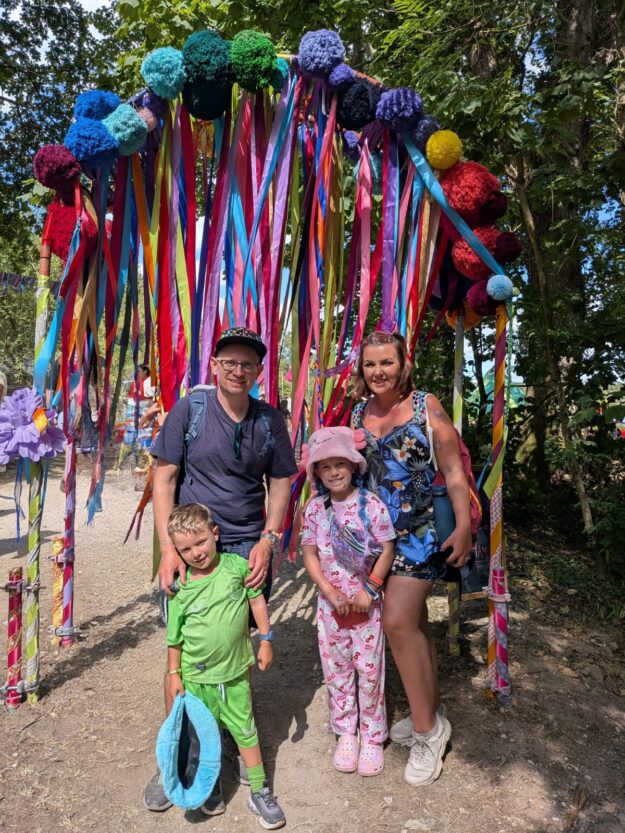
In the following years, I got married, moved out and completed a joint application so that my husband and I could provide foster care together, in our own home.
We both worked full-time jobs, he a more typical NHS-based career, and I held a position that had a mostly term-time working pattern. We decided to offer respite care and short breaks and were soon matched with a sibling group of 3 boys who needed regular respite care to help keep their main placement stable.
We loved our time with these boys so much. We were outdoorsy and they thrived outdoors, so we climbed mountains, swam in lakes, anything and everything active. After a few years of regular respite / short breaks, the boys moved in with us for an extended period before moving in with my parents to be their main placement. It felt right.
It felt like we were their safety net when their main placement could no longer meet their needs. We had caught them and kept familiar faces in their lives.
We had a toddler at this point too; they adored her and had been part of her life from within a few weeks of her being born.
What you can offer as a foster parent might change, and that’s okay
We had always had plans for a family alongside fostering. Hence, our inability to provide long-term foster care.
A couple of years later, during our second pregnancy, we decided to take a break from fostering altogether. Mainly, because we no longer had the bedroom space to offer. This also tied into COVID and a very tricky second child, who afforded us no sleep until he was nearly 3. I really didn’t have the energy to support any more children during this time.
However, my story doesn’t end there. Once our second child started sleeping, I did what most wives dream of doing: I planned a whole house renovation and extension to create extra spaces and bedrooms to be able to foster again.
Armed with many an Instagram account, access to the local authority planning portal and a good pinch of madness, I convinced my husband it was our dream. He got on board. It got done. Faster than our architect thought we could do it. And then I called Fostering People again.
And here we are, we’re back to providing respite care. And, at this moment, we’re actually providing an interim placement for an adoption breakdown for a teenager for a few months.
Again, not in the original plan, but that’s part of fostering. It ebbs and flows, and it changes. It changes you and what you think suits your lifestyle – who you think suits your family and home. It doesn’t sit still. If you think, with all of your being, that you can do something for a young person and you can talk that through with a supportive social worker or team of social workers, as we did at Fostering People, they’ll support you through it.
Fostering works
Feels too cheesy of an ending to leave it there. I obviously haven’t touched on the hard parts of fostering. So you may think I have my rose-tinted glasses on. But if I were to talk to you about my own children, I also wouldn’t start with the hard times.
So, I feel fostering deserves that kind of respect, too.
I’m nearly 40. And I’m fostering. And I wouldn’t have my life any other way at the moment. Fostering works.
Could you foster?
The fostering system sadly shouldn’t need to exist, but without it, or without adults willing to give their time, open their homes and hearts and share their lives with those in their time of need… Well, then many of these children would continue to live in environments or situations that no child should have to experience.
The fostering system isn’t perfect. I won’t pretend that everything runs according to a set plan, a set matching process, a set time frame or even a set of predictable rules. But it exists to try to offer safe homes for society’s most vulnerable children. And for that to happen, caring adults with safe homes need to choose to get involved.
If you think you could foster, call us today on 0800 077 8159 or submit your details via our online form to learn more about fostering.